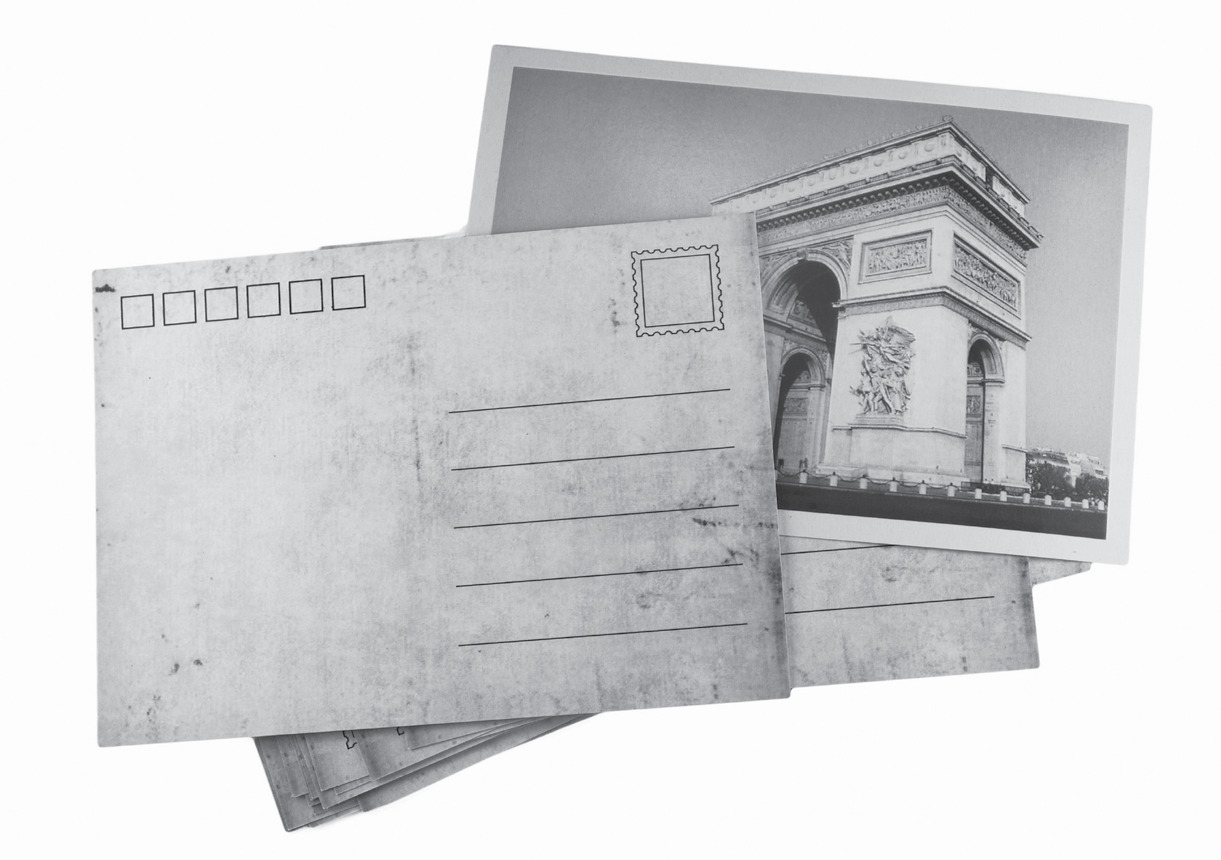
In the late 1800s, postcards were among the world’s most powerful storytelling tools. Travelers mailed them from wherever they happened to be. These simple rectangles were the 19th-century version of Instagram, YouTube, or travel vlogs. Now, in the age of social media, people upload photos or videos, or go live, to share their travel experiences.
During the German occupation of Micronesia, postcards shaped how the outside world imagined the Pacific islands.
Dr. Dirk H.R. Spennemann’s 2006 research digs into what the postcards showed, why they depicted certain scenes and how they formed the world’s perceptions of island life. The study, titled “The Imagery of Postcards Sold in Micronesia During the German Colonial Period,” was published in the Micronesian Journal of the Humanities and Social Sciences.
The Austrian postal service introduced the first postcards in 1870. Soon after, Europe and the United States followed the trend. There were privacy concerns since the sender’s notes were open for anyone to see. Yet, postcards quickly caught on and remained highly popular until the rise of e-mail in the 1990s.
The Pacific was ahead of the trend. Postcards had been popular in Fiji, Samoa, Hawaii and Tahiti since the 1880s. These islands benefited from the thriving postcard market because they were along the transit points along Pacific travel and shipping routes.
Samoa became known for postcards featuring not just landscapes but also semi-clad women, a trend aimed at foreign buyers seeking “exotic” imagery.
Micronesia was considered off the beaten path. Its islands received few visitors and therefore had a much smaller postcard market.
The very first Micronesian postcards appeared around 1898, shortly after many colonized several island groups. The earliest postcards were those from the Marshall Islands, followed later by a series from Pohnpei, Yap, Palau and the Marianas. They focused on scenic views, island life and everyday culture.
Over time, however, postcards became a public relations tool for Germany. The new postcard series highlighted Germany’s colonial presence in Micronesia. Cultural images were gradually replaced by administrative buildings, military posts, European-style streets, flags and other German-centric imagery aimed at showcasing the islands’ transformation under colonial rule.
These postcards were designed for the colonial market, offering a clearer, more striking view of the islands and the unmistakable symbols of German colonial rule.
To understand why postcards mattered so much, think of them as the Instagram of their time. In the late 1800s and early 1900s, postcards were easy to send and widely shared. People collected them much the same way we save and share photos with our phones today.
When sending postcards home, senders chose images that reflected how they wanted to be seen—adventurous or worldly.
People who had never visited these places treated postcards as their “window” into island life. However, it was a window built by outsiders, not locals.
Spennemann analyzed hundreds of postcards from collectors, archives and auctions. The following themes stood out:
- Seascapes
- Island postcards from Pohnpei often depicted images of German administrative buildings, groups of workers and greenery, portraying the island as orderly and fertile
- In the Marianas, the postcards emphasized education, churches, training centers, streets and harbors
- Postcards of the Marshall Islands included views of the lagoon, traditional canoes, churches and scenes of daily life
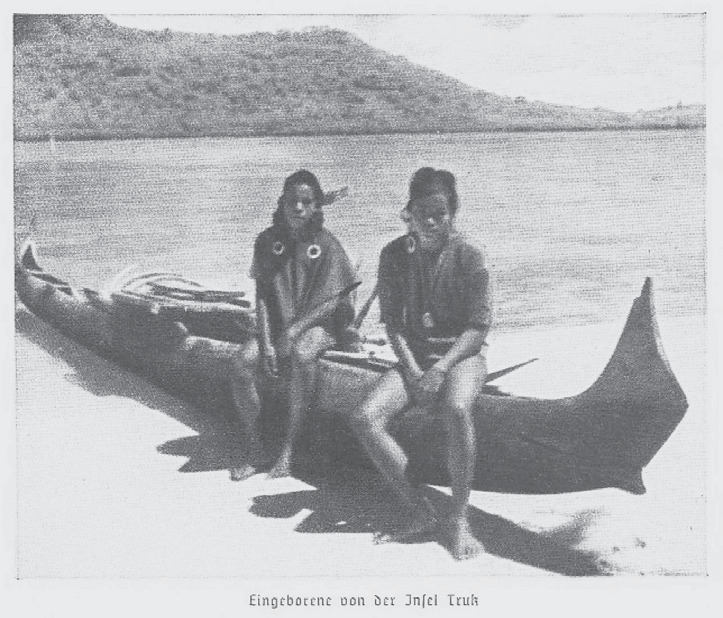
The postcards were created by colonial officials, merchants or traveling photographers. The publishers of the postcards chose images that reflected their priorities, their worldview and the idea of what would sell. They rarely represented Micronesian perspectives and daily experiences.
Spennemann said that postcards photographed by Marshallese photographer Joachim de Brum were among the few series rendered from a local perspective.
In the end, the postcards of German-era Micronesia are a reminder images are not always neutral. A picture can shape how the world views a culture, community or place. Across the islands, postcards were filtered, edited and limited to what postcard publishers wanted people to see.
Postcards aren’t completely gone. Throughout the 20th century they peaked and declined with changing technologies, but even now people continue to send small pieces of themselves and their adventures through the mail.
Raquel Bagnol is a longtime journalist. She worked as a reporter for Marianas Variety on Saipan and Islands Times in Palau. Send feedback to rbagnol@yahoo.com
CONTINUED ON PAGE 25