FEW SECTORS ASK AS MUCH OF A DOOR AS INFRASTRUCTURE.
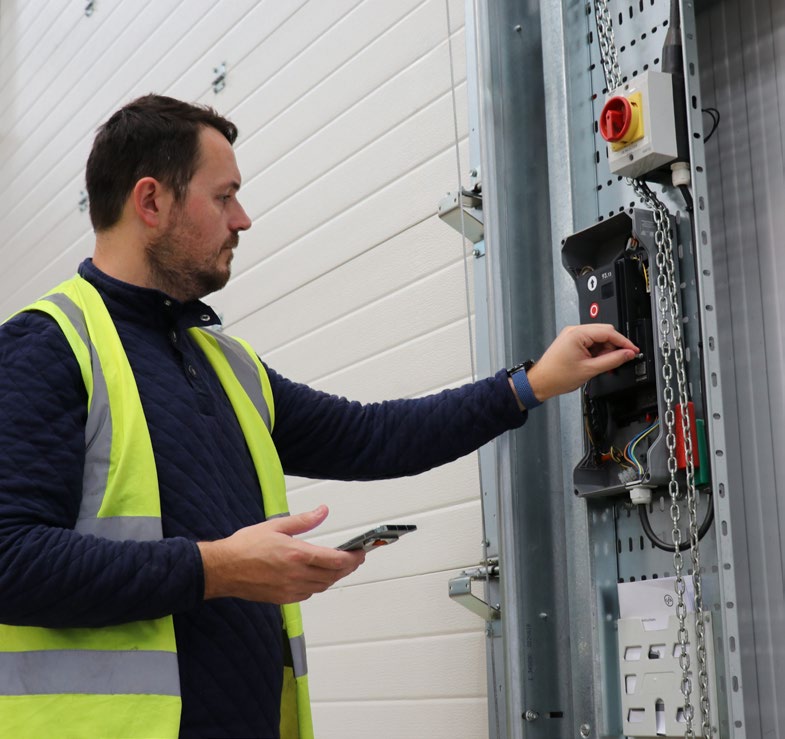
SITES ARE often remote or have safety critical requirements. Downtime can carry operational and financial consequences far beyond the cost of the equipment, while an access point may be expected to perform reliably, and provide a clear record of that performance, throughout a long service life.
Meeting that brief takes more than a single product. It requires a range engineered for different conditions, reinforced by the technical knowledge to specify and support each part correctly.
That makes infrastructure a natural fit for the breadth of products and expertise GfA can bring to a project.
Rated for Hazardous Areas
Some of the most demanding infrastructure sites operate in environments where the atmosphere itself presents a risk. Wherever flammable gases, vapours, or dust are present (including oil and gas sites, fuel storage, waste facilities, distilleries, and process plants), ATEX-certified equipment is the backbone of safety, with flameproof enclosures, increased safety and intrinsic safety designs that act as a barrier against flammable substances.
Under DSEAR, it's an employer's responsibility to protect the safety of staff and the public against the risk of fire and explosions in the workplace, and it is the door manufacturer's responsibility to ensure any equipment sited in a hazardous area complies with the ATEX directive.
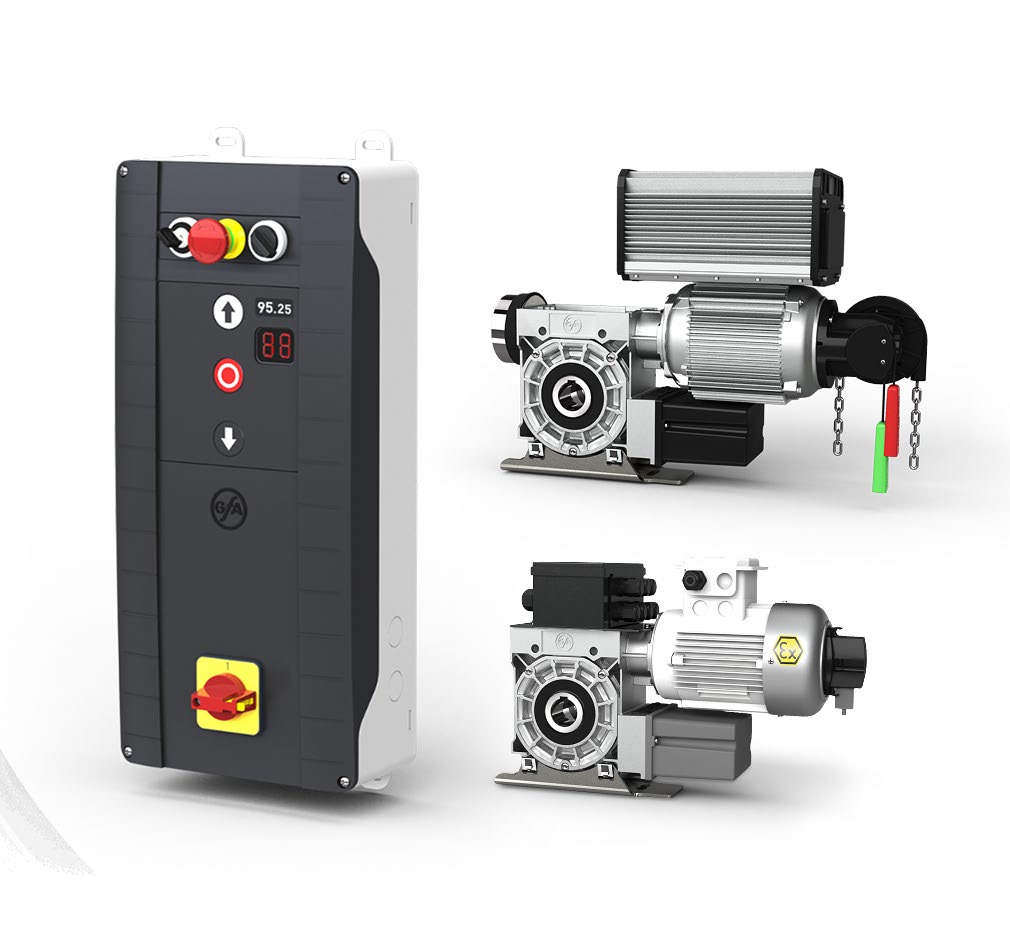
GfA's ATEX drives and controls are designed for these applications, using Ex d (flameproof), Ex e (non-sparking), and ia (intrinsic safety) construction to prevent atmospheric explosions in these areas.
Safety depends on the installation as a whole, not only the product. Therefore, GfA ATEX drives and controls are supplied without cabling or glands, allowing them to be wired and commissioned by a suitably qualified ATEX electrician to meet the ATEX risk assessment installation requirements.
It is specialist work: GfA has ATEX-accredited members within its team to support the specification process. This gives door companies access to experts who understand both the product and the wider requirements of the application.
Speed Without Compromise
On other infrastructure sites, the priority is keeping people, vehicles and materials moving efficiently.
High-speed doors are commonly specified where traffic levels are high, and openings cannot be left exposed for prolonged periods. GfA's FI (Frequency Inverter) drives are designed for these applications.
The Safedrive® FI, introduced in 2009, revolutionised the industry's use of frequency-inverter technology. The range, including drives for balanced and non-balanced doors, is used across many applications, including waste management, airports, infrastructure facilities, and emergency services sites.
Faster opening speeds help keep operations moving, while fast start and stop reduce wear, movement, and noise. Fast, controlled closing also limits the time an opening remains accessible, helping to improve physical security and maintain the internal environment. Keeping doors open for less time can also help reduce heat loss and energy use.
The gearbox and inverter are mapped at the factory, allowing the installer to set the required speed on site. The system follows the same plug-and-play approach used across GfA's wider range of drives and control panels, making it familiar to engineers already working with the products.
Sealed Against Water and Vapour Ingress
Water, weather, and exposed environments bring a distinct set of demands. For waste transfer, waste processing, composting plants, and other challenging environments, GfA developed IP65i, an enhanced IP65 model range.
Where standard IP65 drive units protect against limited water ingress, IP65i goes one step further, preventing the damage caused by water vapour that later condenses. It is only available with mechanical limits that are totally encapsulated, so although vapour can still enter the box, condensate cannot reach the individual switches or short them against a neighbouring switch.
The drives are finished in a corrosion-resistant coating, with stainless steel or coated shafts and foot mountings, and a stainless-steel hand chain. Where temperatures fall below -5°C an optional thermostatically controlled gearbox heater keeps the drive within its permissible range.
Connected Control Across the Site
Once the right drives are in place, the next challenge is keeping them operating across sites that may be remote, distributed, or difficult to access.
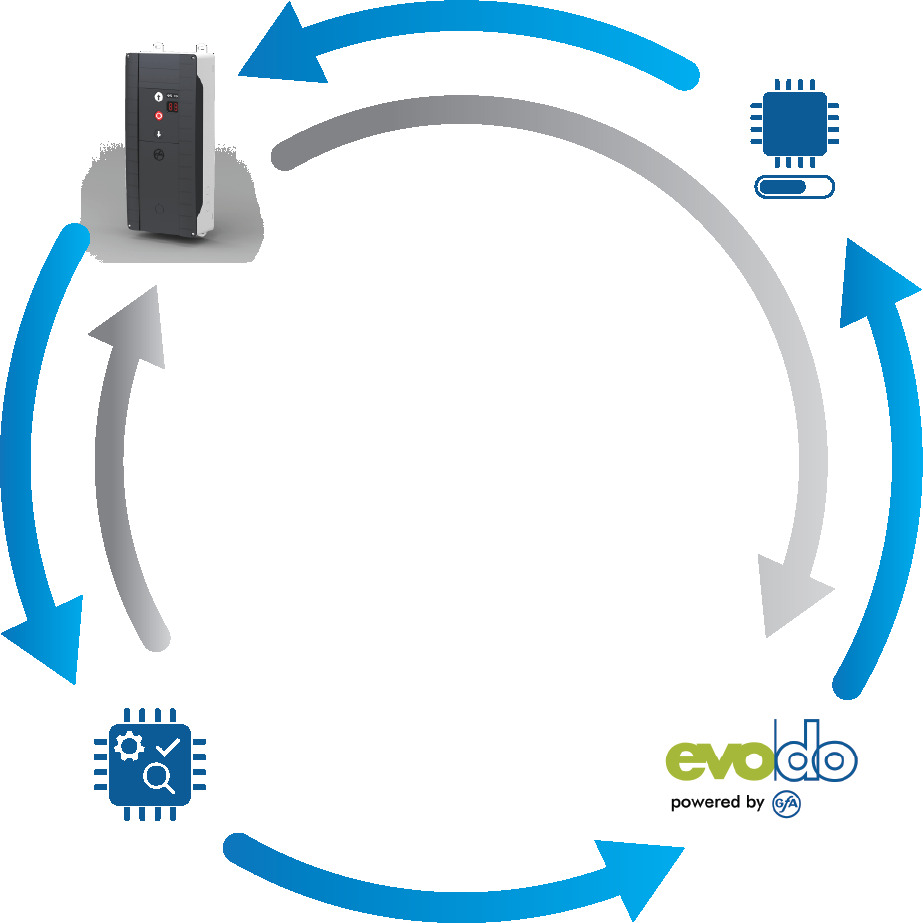
GfA's TS-C Control Panel and evodo digital ecosystem provide that additional layer of visibility. Built-in WLAN and Bluetooth connect the panel to three applications:
- evodo-Sync - supporting on-site software updates.
- evodo-Toolkit - allows engineers to access panel parameters and diagnostic information from a mobile phone while on site.
- evodo-Web - gives operators and service companies remote visibility across installed door assets.
Built for the Long Term
What ties the range together is the combination of product choice and technical knowledge that GfA can provide. A hazardous area, a high-traffic opening or an exposed coastal site may all require very different equipment. The value comes from understanding those differences, selecting the right solution, and supporting it throughout its working life.
For contractors and door companies, this breadth of knowledge creates a practical advantage. Different applications across the same site can be specified through one supplier, with one point of technical support and a more consistent approach to installation and servicing.
On infrastructure projects, that support often continues long after installation, where doors may remain in service for decades and need ongoing maintenance, inspections, emergency response and documented service records. Connected controls and remote diagnostics strengthen that relationship, giving door companies and their customers a clearer view of performance across the life of the asset.
These are long-term projects, and the equipment and support behind them need to be designed with the same outlook.