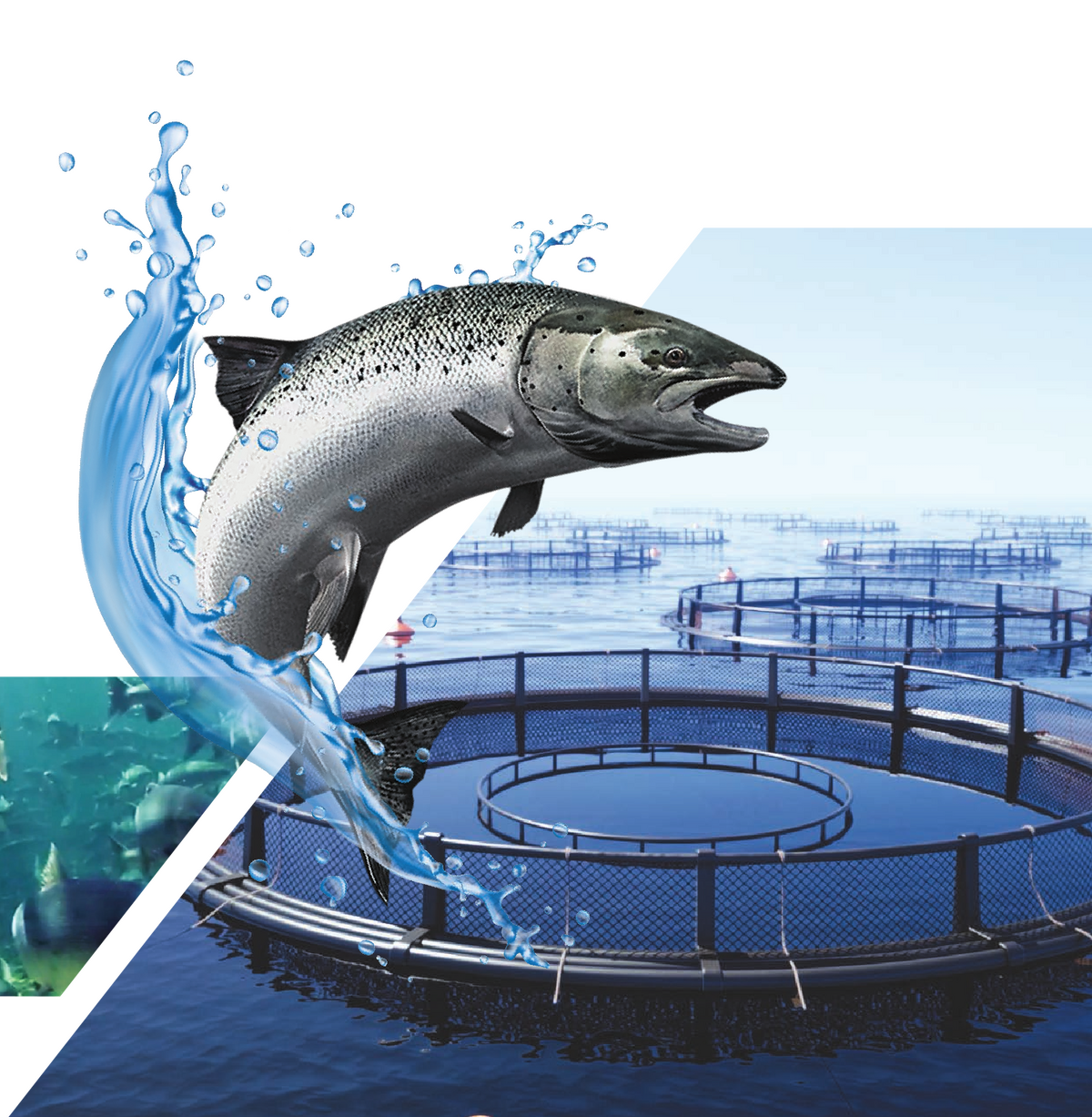
THE JAMES M. COX FOUNDATION CONTINUES TO HELP PROTECT WILDLIFE AND THEIR HABITATS ACROSS THE COUNTRY
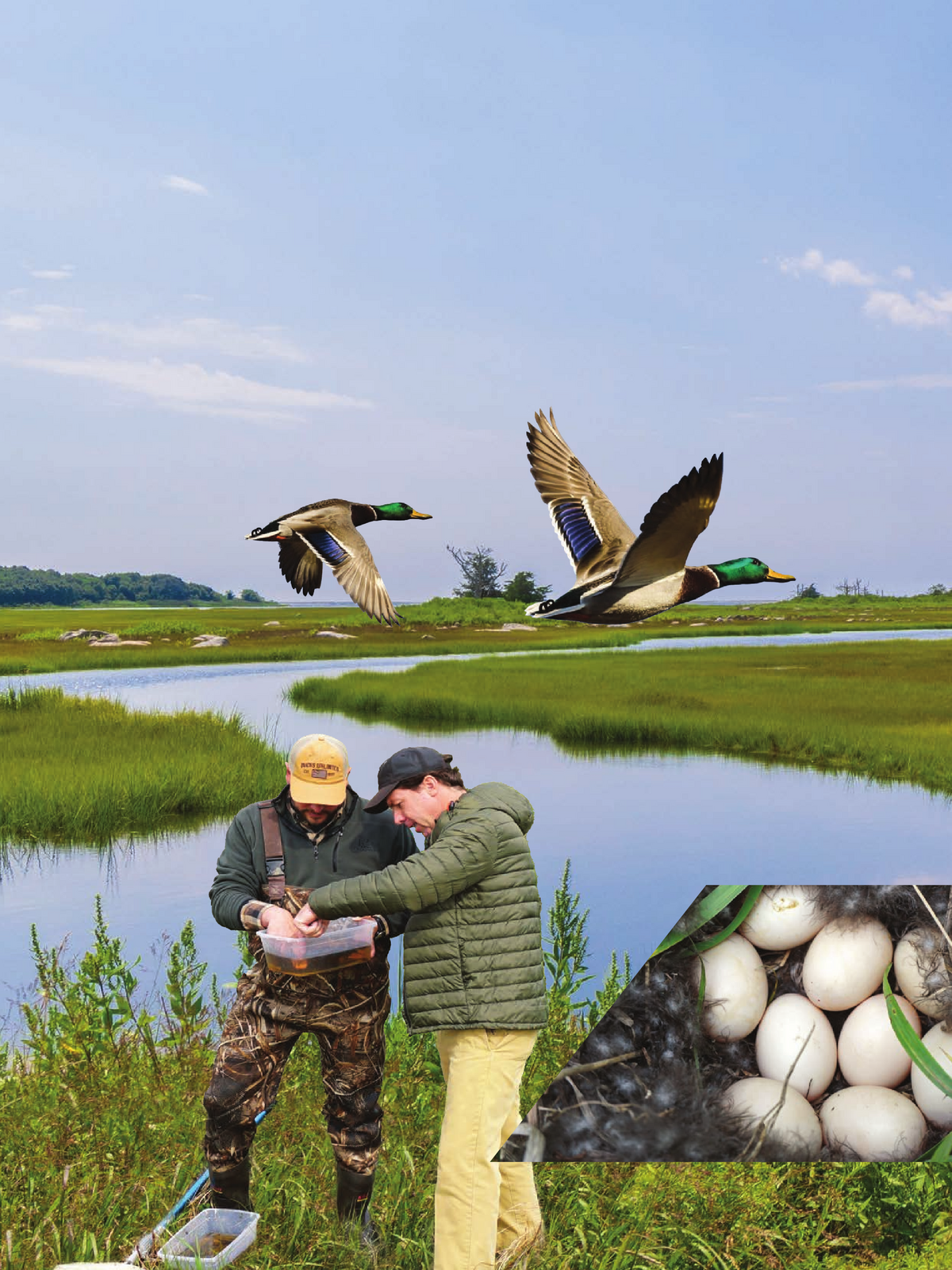
(Left) Alex Taylor meets with a Ducks Unlimited team member in the Prairie Pothole Region. (Above) Protecting the natural habitat of migratory birds helps protect the species.
Since 1957, the James M. Cox Foundation has been making the world a better place by supporting the communities we serve and helping protect the planet. With focus areas that include biodiversity, conservation and the environment; early childhood education; health; and empowering families and individuals for success, the Foundation continues to drive positive changes that will be felt for generations.
A FOCUS ON BIODIVERSITY
Jim Kennedy, chairman emeritus of Cox Enterprises and chairman of the James M. Cox Foundation, has dedicated much of his life to the simple idea of leaving the world in a better place than he found it. This ethos is part of Cox in many ways and inspired Cox Enterprises Chairman and CEO Alex Taylor to work with Jim to create Cox Biodiversity.
The James M. Cox Foundation biodiversity grants will build on our sustainability efforts by driving solutions to protect our most beautiful and iconic North American animals and habitats. From migratory waterfowl, shorebirds, salmon and wild game to the places they call home — our goal is to protect and restore the habitat to help ensure it remains healthy and life-sustaining for years to come. Current biodiversity efforts are focused on working with organizations to help protect the Prairie Pothole Region and wild salmon.
PRESERVING THE PRAIRIE POTHOLE REGION
Across the Great Plains and southern Canada, a vast network of wetlands is dotted with shallow lakes, ponds and marshes — “potholes” left behind by glaciers that retreated nearly 10,000 years ago. In more recent years, the Prairie Pothole Region has been drained or altered for agricultural use, and only an estimated 40% to 50% of the original potholes remain untouched. The landscape serves as critical breeding and feeding grounds for many species of migratory birds, including the endangered whooping crane, along with other wildlife species. It is imperative that we protect the remaining land.
“When you  fly over it, it’s like these little diamonds that you can see when the sun is just right. I think of it as North America’s Amazon,” said Jim Kennedy. “It’s a wonderful area and a great nursery for all sorts of animals.” Beginning with his early interest in waterfowl, Jim has dedicated 50 years as a volunteer for Ducks Unlimited, the largest private waterfowl and wetlands conservation organization in the world.
A recent $100 million gift from Cox Enterprises — made in Jim’s honor — to Wetlands America Trust, which is managed by Ducks Unlimited, has accelerated work to preserve the Prairie Pothole Region.
“This gift will have a transformational impact on our conservation and restoration efforts,” said Adam Putnam, chief executive officer of Ducks Unlimited. “It’s all headed straight to the prairies, where its impact on our communities can be the strongest.”

WHAT WE’ VE ACHIEVED
22K
wetland acres secured
16K
additional wetland acres
under negotiation
PROTECTION FOR SALMON
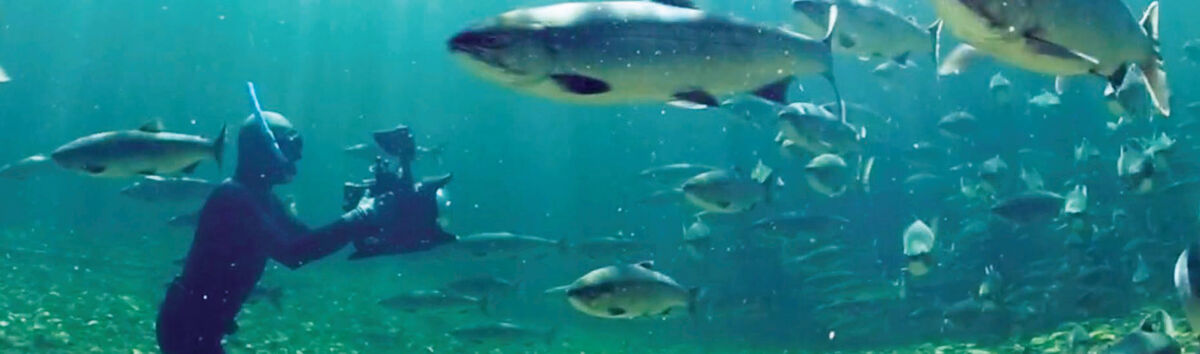
Wild salmon continue to fight for survival in the face of open net-pen fish farms. Waste products from farming pens are released into surrounding waters, changing the chemical makeup and damaging the biological diversity of our rivers, estuaries and oceans.
To help protect this valuable species, the Foundation recently awarded three grants to nonprofits with a proven track record of protecting salmon.
Wild Salmon Center, Portland, Oregon
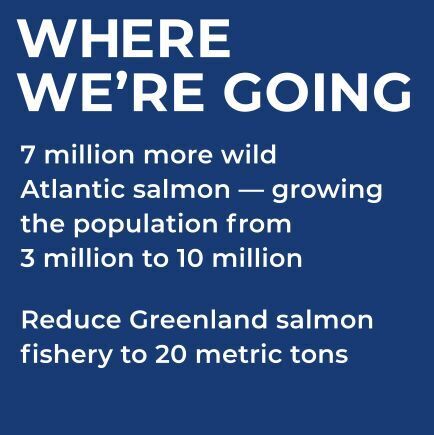
The Wild Salmon Center is an international conservation organization with a mission to protect wild salmon, steelhead and the ecosystems they depend on. Its efforts reach across the Pacific Rim, where approximately 500 million salmon return yearly to spawn. The Foundation provided $2 million in funding to help conserve 20 rivers in the area through initiatives like stock fishery monitoring and watershed management and restoration programs. The project is designed to secure habitats for an annual salmon run of 120 million fish, or 25% of the world’s remaining wild salmon.
North Atlantic Salmon Fund, Jacksonville, Florida
The North Atlantic Salmon Fund is a nonprofit conservation organization founded in 1989. It works with a network of international volunteers to protect wild salmon by battling the expansion of open net-pen farming and closing unsustainable fisheries. The Foundation’s gift of $1.25 million is expected to help the organization remove 80% of open net-pens.
American Rivers, Washington, D.C.
American Rivers works to prevent the construction of unnecessary dams that impede rivers and jeopardize the wildlife that depend on them for survival. The $1.2 million gifted by the Foundation will help the organization lead a national campaign to restore floodplains, some of the world’s most productive ecosystems. If successful, the project would save billions in flood damage and restore fish and waterfowl habitats.
MOVING FORWARD
Cox Biodiversity is making a meaningful impact on the world. Together with current and future nonprofit partners, we will lead positive environmental, economic and human change.
 “Helping maintain a balance within these ecosystems is important to the future of salmon, ducks and their habitats,” said Alex Taylor. “Our goal is to do as much as we can in the near term and leave a legacy of conservation and wildlife management for the next generation.”
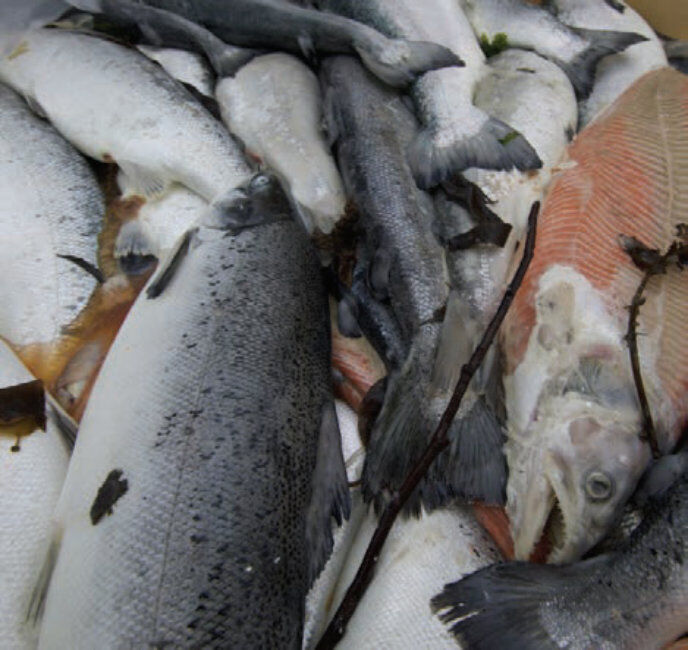
Fish that escape from open net-pen fish farms (pictured at right) cause irreversible harm on wild stocks.