LIFE SOLUTIONS
By Wimpie Mouton, PPS Group Executive: Life Solutions
An architect was on the way to a site when she slipped and fell, breaking a leg. Instead of reviewing project progress on site, she had to be rushed to hospital for surgery. That moment - a mere slip - altered more than her schedule - it also changed her perspective.
Across town, an advocate who thrived in courtrooms faced the same reality when suffering a heart attack, which meant he was unable to attend court hearings for an indefinite period. For a coding specialist, that first toothache felt while deeply engaged in a project might have been just an irritation at the time. Unfortunately, it was an early indication of an abscess forming; an abscess which had to be surgically drained and which completely disrupted her life: projects stalled, deadlines were missed and clients were kept waiting.
These are familiar stories. Just think back over the past 12 months, how often you heard about someone suffering from an illness or being in an accident and the impact it had on their daily lives. Accidents and illness interrupt careers in ways few anticipate. Recovery becomes the priority but it also raises questions about financial security, independence and the ability to maintain life as planned. Whether young and building a career or established and planning for retirement, the reality of being unable to work reframes what protection really means.
WHEN RECOVERY REFRAMES PRIORITIES
Recovery does more than restore health - it changes how priorities are viewed. What once felt secure, like uninterrupted income or career progress, suddenly seems uncertain. For many employed graduate professionals, this shift comes with an added weight: guilt. There is the worry of not being at work, of deadlines missed and of colleagues carrying extra load. Beneath that is a deeper fear - if absence stretches too long, could it affect job security?
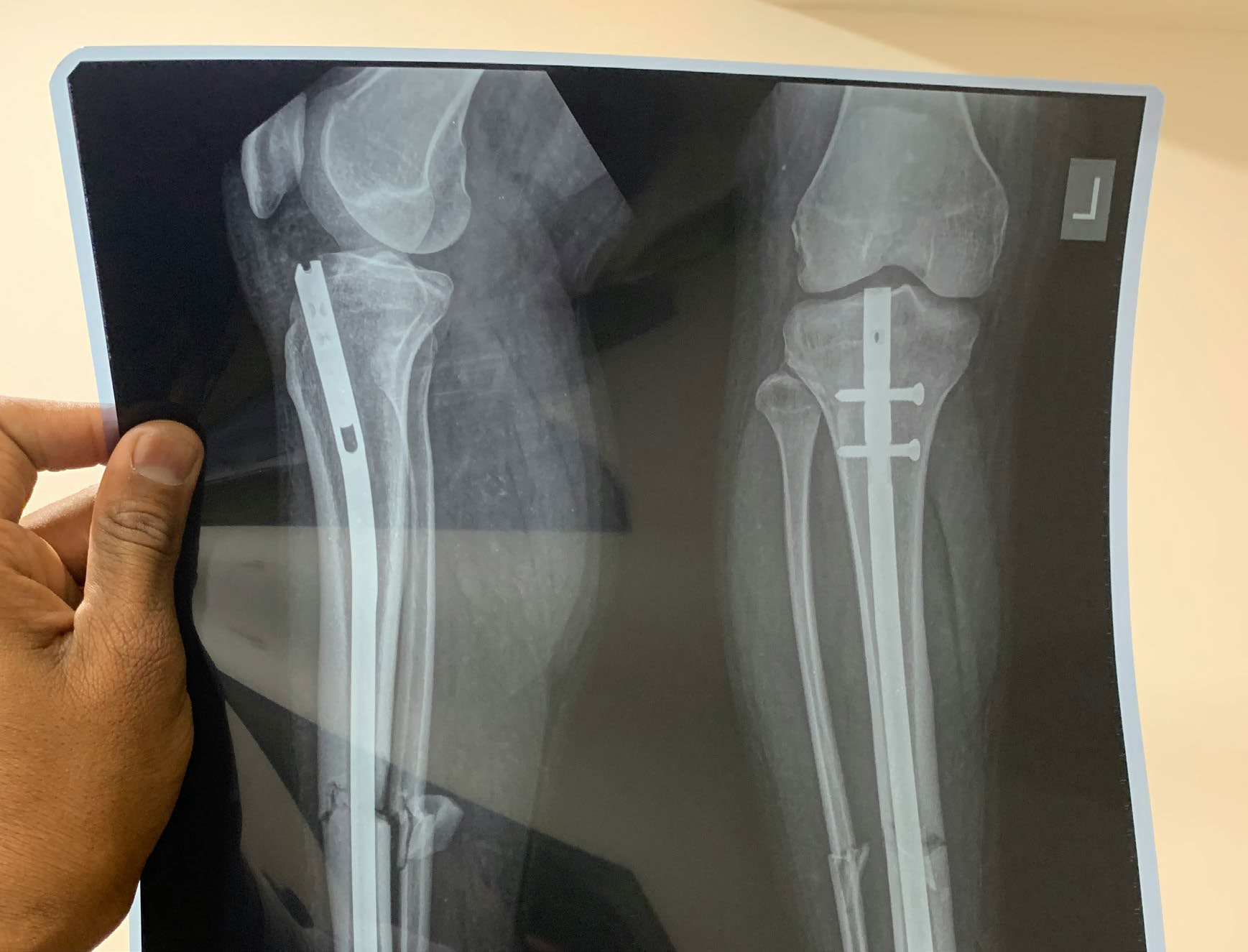
As days turn into weeks, another reality emerges: financial security matters just as much. The cost of treatment may be covered, yet recovery often brings unexpected expenses - help with childcare, transport when driving is not possible or home assistance during rehabilitation. These pressures can add stress at a time when energy should be focused on healing.
Then there are those who work for themselves. For a coding specialist running a freelance business, illness or injury means no income at all. Every day away from work is a day without earnings and the financial strain can escalate quickly. A physiotherapist in private practice faces the same reality - recovery time equals zero revenue. In both cases, perspective changes.
WHEN TIME STRETCHES BEYOND EXPECTATIONS
People often assume recovery will be short. Sick leave will suffice and life will return to normal. But what if recovery takes months? What if the ability to work is permanently affected? These are the questions that accidents and illness force into view.
Take the example of a young architect who expected to return to work after a few weeks of rest. Instead, complications extended recovery to six months. While medical cover handled hospital bills, the cost of home adaptations and ongoing therapy was significant. For an older advocate nearing retirement, the challenge may be different but equally daunting - prolonged incapacity could disrupt plans for a secure retirement.
The stress of a long recovery is not only financial. It can affect relationships, family routines and mental well-being. Worrying about income while trying to heal adds pressure that slows progress. Parents may need help with childcare, partners may need to adjust work schedules and lifestyle changes can feel overwhelming. These ripple effects remind one that protection is not just about money - it is about peace of mind during life's most vulnerable moments.
“Illness and accidents teach that life is unpredictable and planning for that unpredictability is an act of strength, not weakness.”
And incapacity is not always absolute. Sometimes, one can return to work but not in the same way as before. An architect may no longer be able to manage site visits and instead have to move into design consulting. A coding specialist may have to reduce hours or shift to advisory roles. These adjustments often might mean a change in income, even if the career continues. Planning for this possibility is as important as planning for complete incapacity.
WHY PERSPECTIVE LEADS TO BETTER DECISIONS
The lesson from these experiences is clear: perspective transforms how one views protection. It is not about fear - it is about foresight. Illness and accidents teach that life is unpredictable and planning for that unpredictability is an act of strength, not weakness.
This is why PPS offers the Sickness and Permanent Incapacity benefit - a solution created specifically for graduate professionals. It is designed to provide financial protection during periods of sickness and to support those who face permanent or partial incapacity. This benefit reflects an understanding of what matters most: the ability to recover without sacrificing financial security or future plans.

 Follow this link or scan the QR code to learn more about the PPS Sickness and Permanent Incapacity benefit:
* Note that none of the articles in this publication constitute financial advice, medical advice or legal advice. Additional notes relating to featured content can be found on page 46.