TRAVEL
By Elvira Wood, PPS Group Editor
Travel is often seen as a break from routine but its greatest value lies in how it changes perspective. Perspective shapes how life is interpreted - what feels urgent, what seems important and what counts as success. When perspective shifts, priorities often shift too.
Daily life creates patterns that feel safe but which could become limiting. Travel interrupts these patterns. It introduces unfamiliar sights, sounds and rhythms that challenge assumptions. Standing in a vast landscape or walking through a centuries-old street forces the mind to recalibrate scale and time. Suddenly, what seemed urgent feels less so and what felt permanent appears fragile.
Novelty plays a role. When the brain encounters something new, it pays attention differently. This heightened awareness sparks reflection: Why does this place feel so different? What does it reveal about personal habits or values? Long after the trip these questions influence choices - choices about connection, consumption and what truly matters.
HOW TO FIND PERSPECTIVE - EVEN CLOSE TO HOME
Perspective does not require a passport or a luxury itinerary. It requires openness. Visiting a familiar destination with fresh eyes can be as transformative as travelling across continents. The key is intention: choosing experiences that unsettle routine and invite curiosity.
Start by slowing down. Instead of rushing through a landmark, linger. Notice details that were overlooked before - the texture of stone, the rhythm of local conversations, the way light changes during the day. Engage with stories behind places. A museum visited for the third time can feel new when explored through a different theme, such as innovation or resilience. Even your local park can offer perspective when walked at dawn instead of midday, revealing a quieter, more reflective side of urban life.
Contrast also helps. If work life is dominated by speed and efficiency, seek environments that demand patience - a long hike, a craft workshop or a slow meal prepared from scratch. These experiences recalibrate expectations and remind travellers that value is not always measured in productivity.
Understanding why perspective matters is only the first step. The next is choosing experiences that make this shift possible. Some destinations do more than offer beauty - they invite travellers to think differently about time, scale and possibility. Here are four places that can help change the way the world is seen.
SOUTH AFRICA - THE DRAKENSBERG AMPHITHEATRE
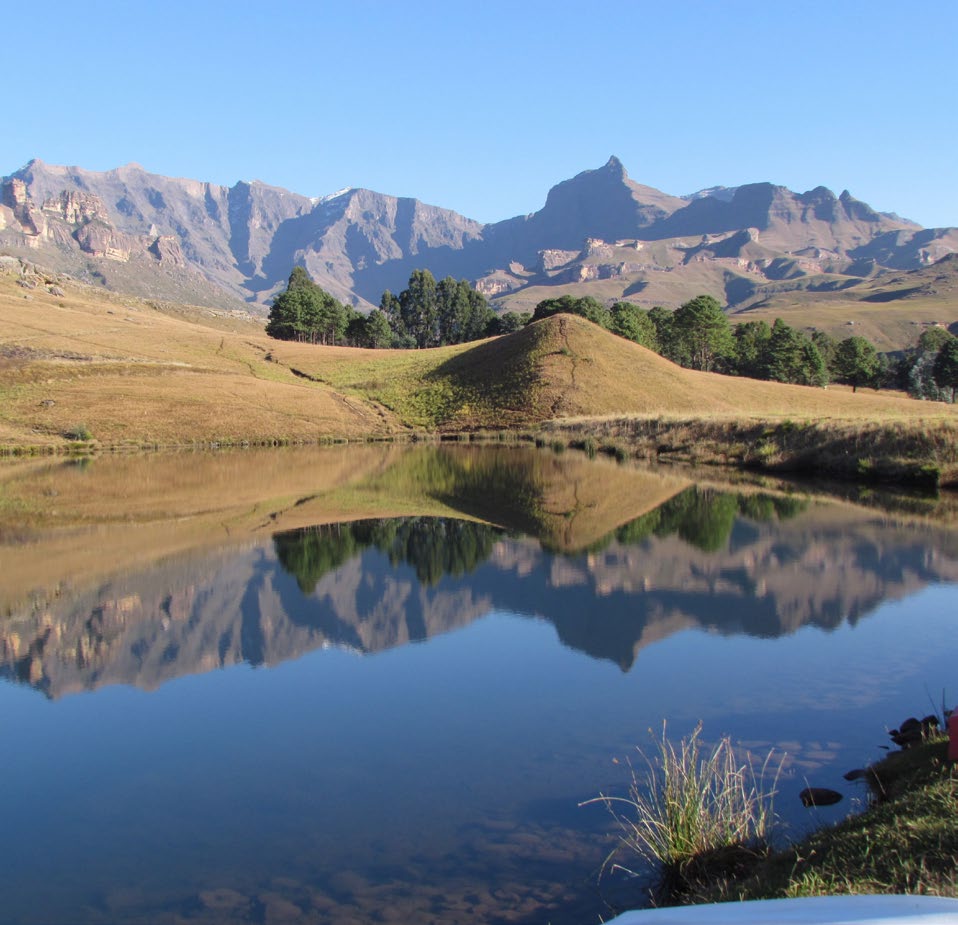
The Drakensberg Amphitheatre is a sheer basalt wall stretching for 5 km and rising 1 220 m above the valley floor. Tugela Falls, which drops 948 m, is the second-highest waterfall in the world. Standing at the summit after a demanding hike reframes effort and reward - endurance becomes more meaningful than speed. The vastness of the cliffs and clouds also puts everyday concerns into perspective, reminding travellers how small daily stresses really are.
NAMIBIA - THE PETRIFIED FOREST
NEW ZEALAND - WAI-O-TAPU THERMAL WONDERLAND
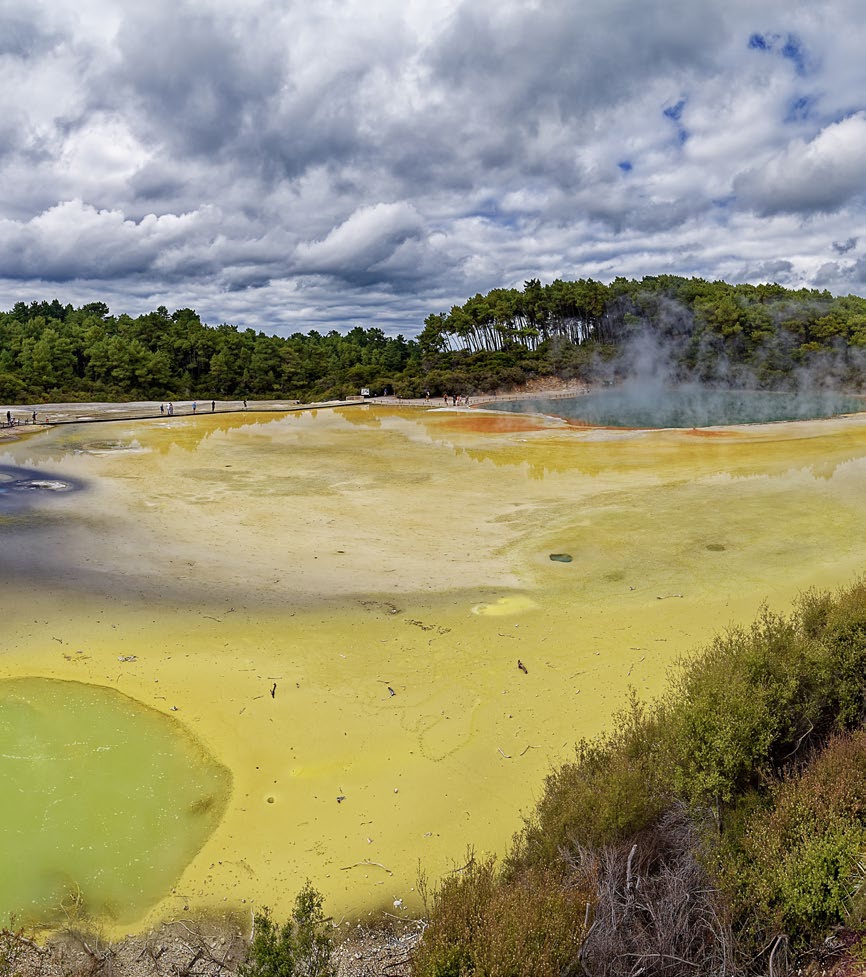
Wai-O-Tapu near Rotorua is a geothermal park of vivid colours and steaming pools. The Champagne Pool, formed approximately 900 years ago, measures 65 m across and 62 m deep, and maintains a temperature of 73°C to 75°C. Its orange mineral rim and bubbling surface are striking. Experiencing this landscape shifts perspective on stability - beneath the earth, forces simmer that could reshape everything. It also sparks humility, reminding travellers that nature operates on its own terms.
AUSTRALIA - THE PINNACLES DESERT
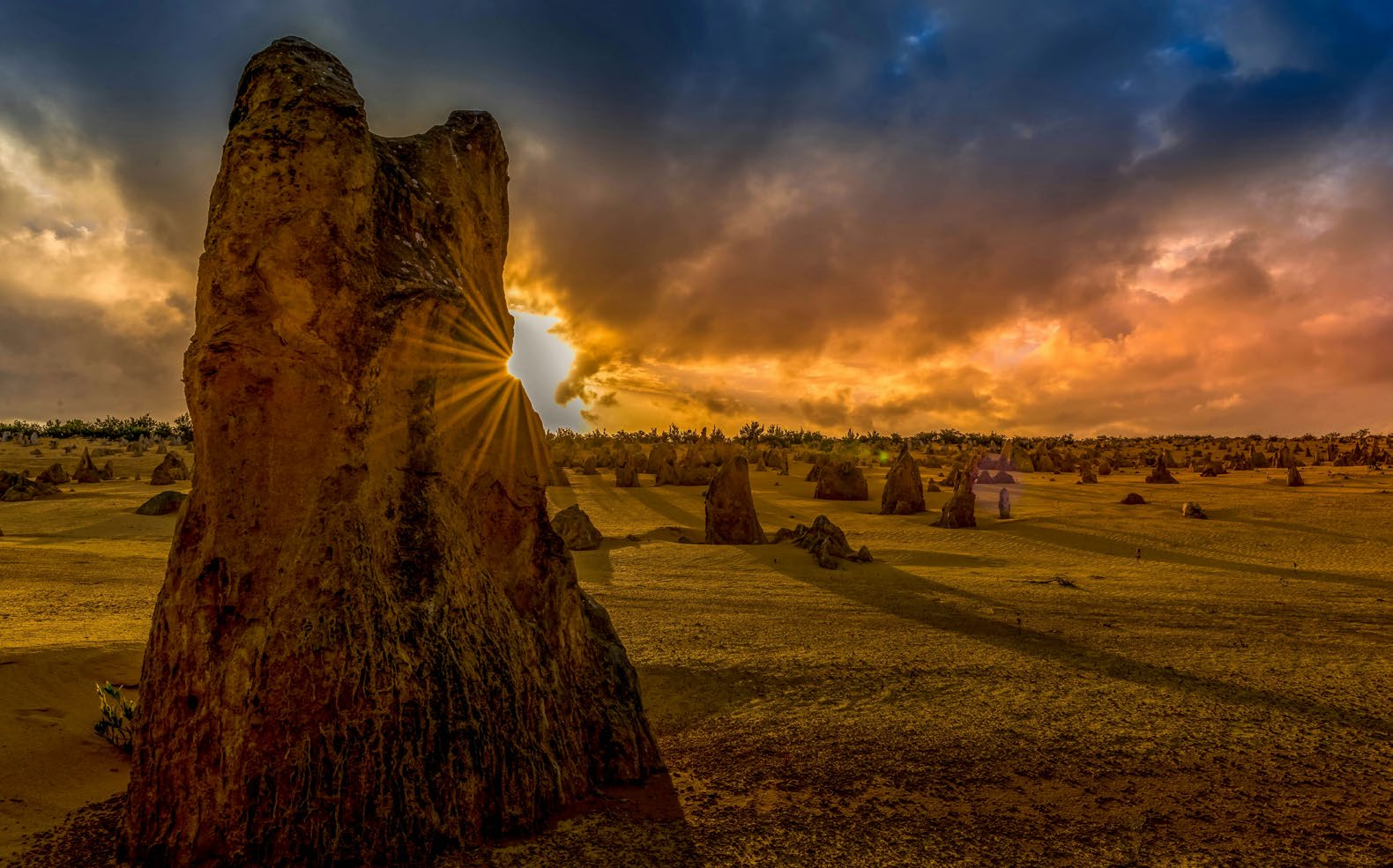
In Western Australia's Nambung National Park, thousands of limestone pillars rise from yellow sand, some up to 3.5m tall. Formed over millions of years, they create a surreal, sculptural landscape. Seeing this stark terrain changes perspective on beauty - elegance can emerge from simplicity. It also invites reflection on time and transformation, as seashells became stone through slow geological processes.
Traveller note: The site is 200 km north of Perth. Summer temperatures can be extreme, so water and sun protection are essential.