SUSTAINABILITY
By Elvira Wood, PPS Group Editor
Sustainability is often seen as locally-based efforts. The truth is that the most powerful returns may come from landscapes far beyond your own backyard.
So, instead of subscribing to this limiting view, expand your horizons and imagine investing in ecosystems that cool cities, store carbon and protect water - places where nature's balance sheet works hardest. This is not feel-good or politically correct thinking. It is strategic thinking that turns conservation into a smart asset class.
The question should not be what can be done close to home; it should be where will efforts to protect resources deliver the greatest impact. This shift in perspective transforms sustainability from a feel-good gesture into a portfolio of living assets that compound value for generations.
WHY LOCATION MATTERS
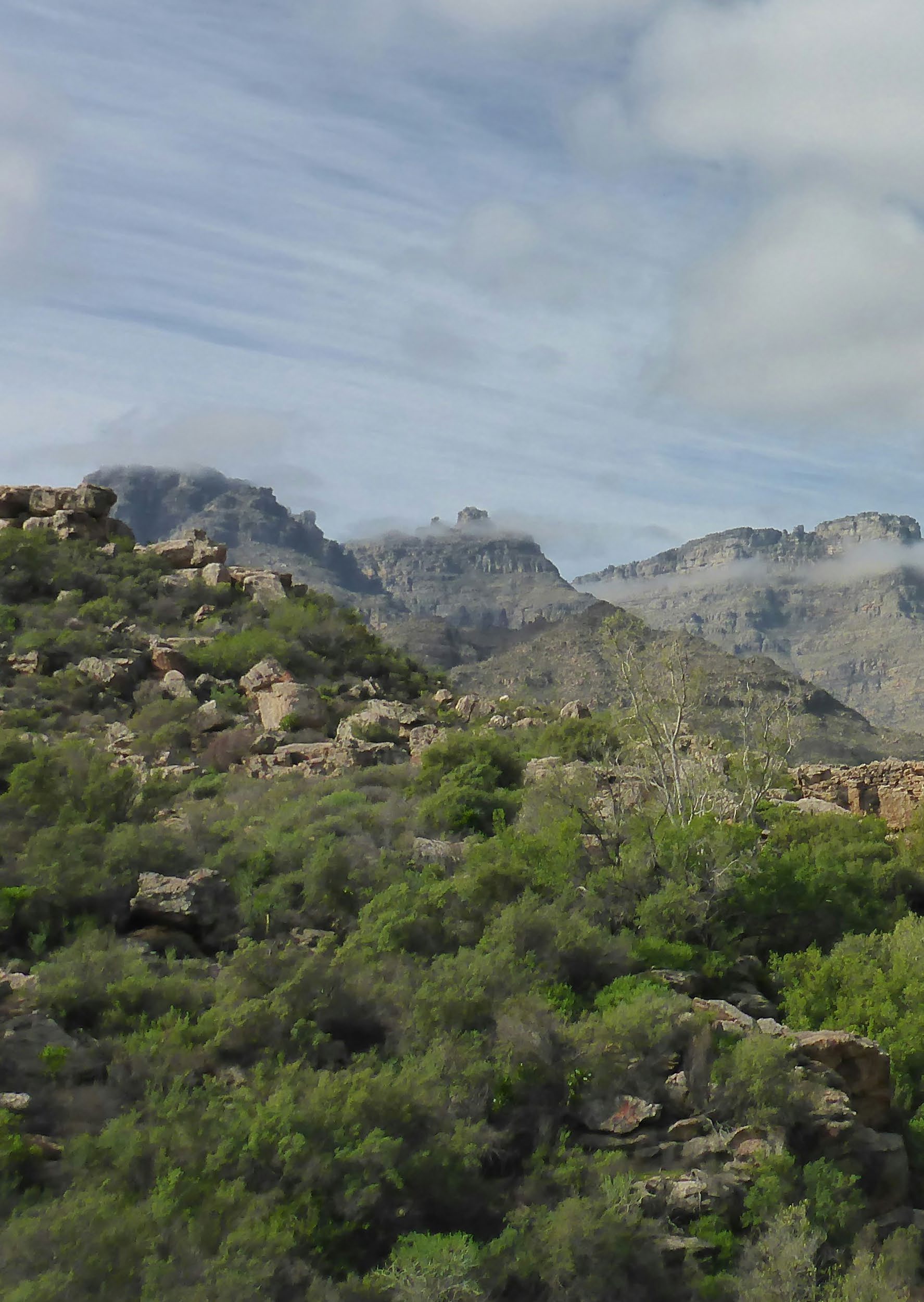
Natural capital does not follow municipal boundaries. It works across catchments and climate zones. A rand spent on an indigenous forest where carbon drawdown is strong, fire-wise planting is possible and eco-tourism can sustain maintenance, may yield more durable returns than the same rand spent in an area with less favourable conditions. This is why a Western Cape mountain range can be an excellent place to invest in trees, even if the investor lives hundreds of kilometres away.
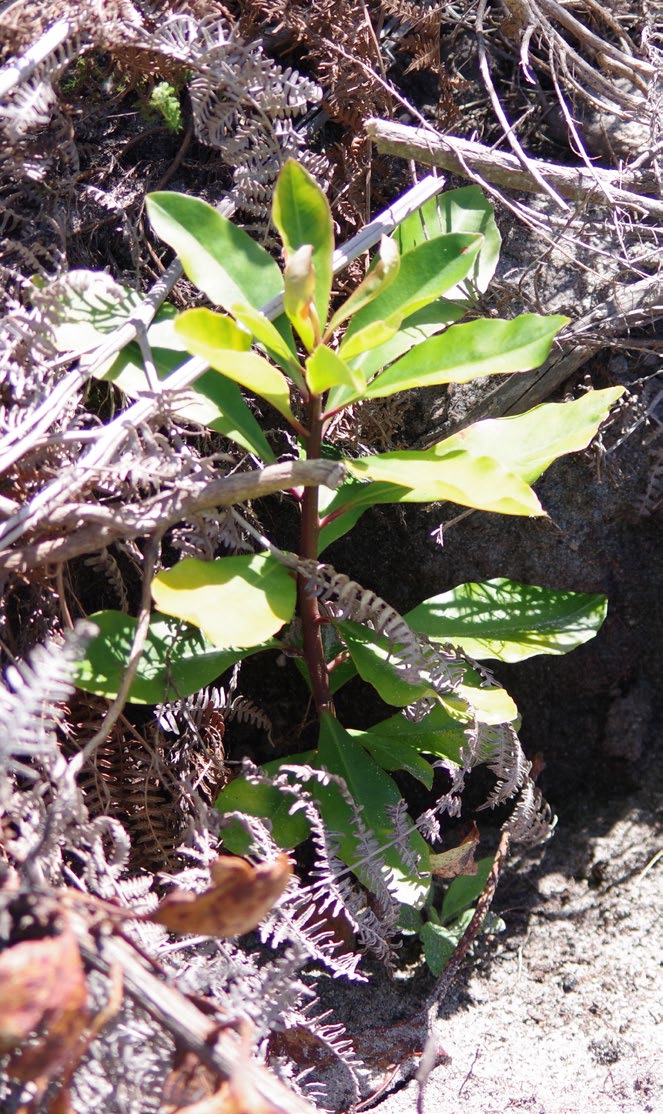
The Cederberg illustrates this principle. Its signature tree, the Clanwilliam cedar, is critically endangered after decades of logging and frequent fires. It survives in rocky, high-altitude niches and has been monitored by conservation bodies for years. Treating its recovery as an investment in future value is practical. CapeNature's cedar restoration programme combines seed collection, propagation, timed planting and post-fire establishment. Their efforts are supported by volunteers and partners who understand that saving the species also protects ecological services that underpin tourism and livelihoods downstream.
TURNING RECOVERY INTO ECONOMIC MOMENTUM
Local leadership drives this work. Sustainable Ceder, based at Driehoek Guest Farm, has built nurseries, designed lightweight planting gear for steep terrain and created guided conservation experiences that convert visitors into participants. "Come with two visions," says Dawie Burger, founder of Sustainable Ceder. "Enjoy the Cederberg for what it is and ask what good can be done for this environment." These weekends and volunteer events do more than plant saplings. They create paid roles, spur small businesses and keep young people in rural areas with work that matters.
In this context, forests are not just trees. They are working assets. Indigenous, diverse forests are highly efficient carbon sinks. They cool landscapes, hold soils and improve infiltration that feeds springs and streams. This is the logic behind the South African Reforestation Trust (SAReforest) platform, which operates sites across the Western Cape. SAReforest plants only locally indigenous trees on degraded land, manages for fire and erosion, removes invasives and protects recovering forest systems as long-term sanctuaries that are never harvested. Other projects include Gerswolde on Farm 215, a private nature reserve in the Walker Bay Protected Environment near Baardskeerdersbos, as well as sites in Wilderness, the Boland and Grootvadersbosch.
RISK, RESILIENCE AND RETURNS
Recent fire seasons underline why investing where recovery can be done well is so important. In late November and December 2024, and continuing into January 2025, due to fires Overstrand and Overberg crews worked extended shifts across Walker Bay Nature Reserve, with repeated closures on the R43 between Gansbaai and Stanford and aerial support deployed over multiple days. By 23 December, provincial disaster management had logged 23 wildfires since the season opened in November, with aerial responses based in George, Bredasdorp, Stellenbosch and Porterville and costs running into millions of rand.
Further afield, a large Cederberg complex fire began on 22 December 2024 and ran for roughly 12 days across inaccessible terrain. CapeNature's incident command placed the affected area at approximately 53 000 hectares by early January 2025. Post-fire windows offer the best chance of establishing cedar seedlings in their natural range when sowing and planting are carefully timed and placed. Funding that readiness pays off in survival rates and reduces maintenance costs.
THE WILDLIFE DIVIDEND
Cape leopards still range the ridges and ravines of the Cederberg, a signal that habitat connectivity persists. The area is also known for Verreaux's eagles (black eagles), a breed classified by BirdLife South Africa as regionally vulnerable. When the development of mountain ecosystems is supported, it is not just about planting trees. It is also about protecting predators and raptors that draw visitors and sustain nature-based businesses. Tourism spend then cycles back into nurseries, monitoring and education, strengthening the case for more trees in more of the right places.
A PERSPECTIVE SHIFT
The perspective shift is straightforward. Sustainability is not only about tidying one's own backyard. It is about investing where nature's balance sheet is most responsive, even when that place is far away. In the Cederberg, a sapling placed between sandstone blocks after a fire can grow into a climate-cooling, soil-holding, stream-feeding asset that outlives those who planted it. In the Overberg, a riparian forest can keep silt out of coastal waters and protect farm soils. Money is involved, yes, and so are skills and time. The return flows back to more than the investor. It flows into the future of the world we live in.