Insights
Guam’s port modernization: Building a smart, resilient Pacific gateway
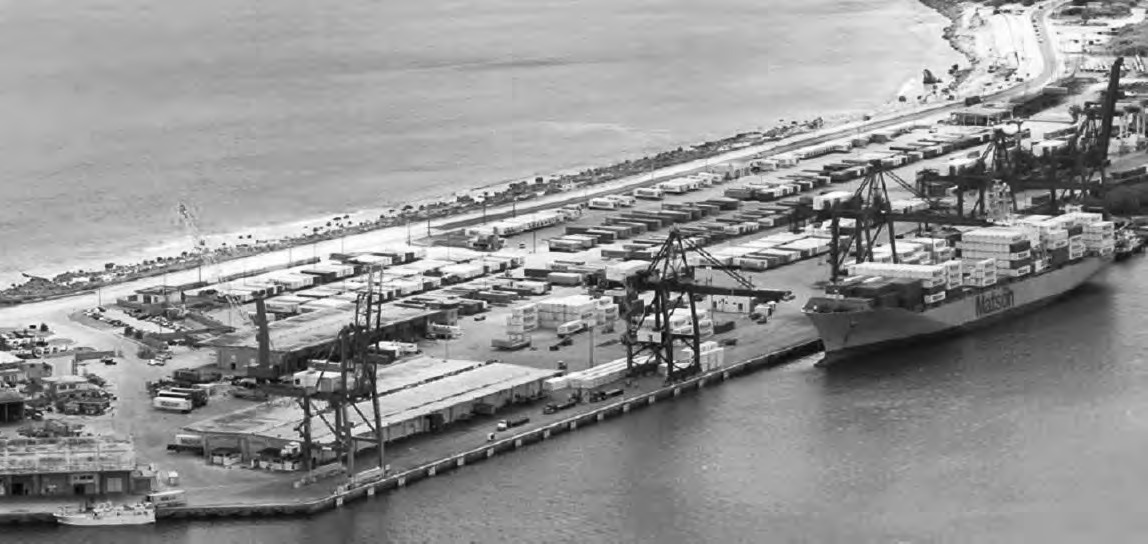
Last month’s Maritime Resilience and Innovation Summit at the Port Authority of Guam offered a timely reminder that the island’s maritime infrastructure is more than a technical necessity — it is a strategic asset. Modernization of the port, investments in new cranes and terminal systems, and stronger partnerships are central to positioning Guam as a reliable gateway for the Pacific in an increasingly uncertain world.
Speakers at the summit emphasized that modernization is not simply about adding capacity; it is about making the port smarter and more resilient. That means upgrading technology, improving intermodal connections, and investing in systems that can withstand shocks — whether natural disasters, supply chain disruptions, or geopolitical tensions. The Port of Guam serves as the island’s economic heartbeat: nearly all food, medicine, fuel, construction materials and consumer goods move through its terminals for Guam and many neighboring islands.

Upgrading the port to a modern, data-driven facility will improve efficiency and reliability. New cranes, automated yard systems and upgraded berths paired with improved customs and cargo handling processes reduce dwell times and lower the cost of goods. Public-private partnerships can accelerate deployment of these technologies while ensuring transparency and accountability.
Guam’s role in regional logistics and security is growing. A modernized port that operates with high efficiency becomes a regional hub — supporting humanitarian assistance, military logistics, and commercial shipping alike. It is not just an economic imperative; it is a matter of resilience for the island and the broader Indo-Pacific region.
Practical steps include prioritizing investments that deliver measurable performance gains, establishing clear performance metrics, and coordinating across stakeholders — from local government and terminal operators to shippers and regional partners. With the right vision and steady implementation, Guam can transform its port into a smart gateway that better serves the island, its neighbors and strategic partners.
Insights
The price and power of being an island

When imports shipped directly to Guam increase, every family recognizes the rising cost of living. Island economies are especially sensitive to shifts in commodity prices, freight costs and international trade policy. Local leaders can do some things to ease the burden, but many factors that determine prices are global — from fuel and shipping rates to tariffs and the availability of goods.
Residents expect politicians to explain how they will address these pressures. That requires transparent plans that address both short-term relief and longer-term strategies to reduce import reliance: expanding local production where feasible, improving energy resilience to blunt fuel-price shocks, and investing in infrastructure that reduces logistics costs.
- What part of the cost of living can Guam actually control?
Look for realistic answers about power rates, port efficiency, fees and local regulatory changes. - How will you pay for the promises?
Candidates should explain funding sources for rebates, programs or new investments and whether those rely on one-time funds or sustainable revenue streams. - What’s your long game for reducing import dependence?
Seek concrete ideas on local food production, manufacturing or supply-chain diversification that reduce vulnerability to global shocks.
Policy actions that matter include targeted subsidies where appropriate, improving port and airport efficiency to reduce transit delays and costs, and pursuing partnerships that grow local capabilities. Voters should press candidates for specifics — not just slogans — and ask how proposed measures will be implemented and paid for.
"Fixing supply-chain weaknesses, reducing dependency on single suppliers and investing in local resilience are the most sustainable paths to making life more affordable on the island."
Ultimately, island communities must balance immediate relief with strategic investments that strengthen resilience. Leaders who offer clear, fundable plans and who engage with regional and federal partners will best serve their constituents as global price pressures continue to evolve.
By Joyce McClure