

AMERICA’S RADIOACTIVE SECRET
Oil-and-gas wells produce nearly a trillion gallons of toxic waste a year. An investigation shows how it could be making workers sick and contaminating communities across America
By JUSTIN NOBEL January 21, 2020

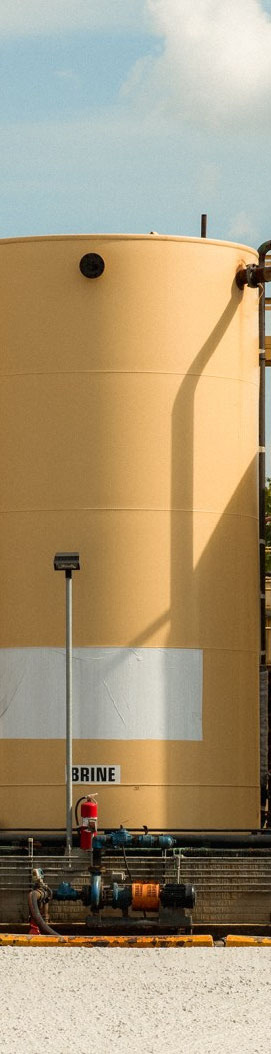
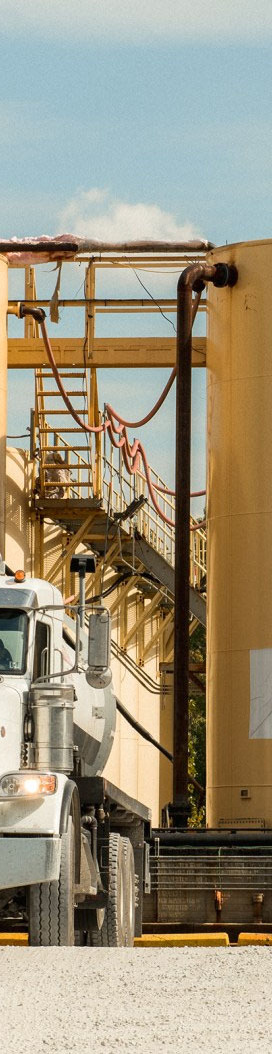
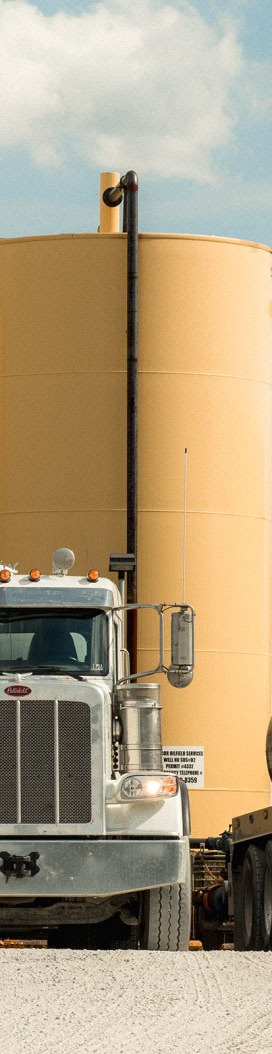

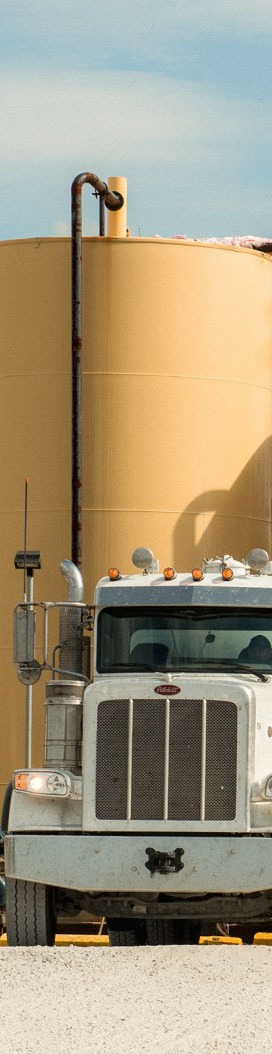

Brine trucks at an Injection well in
Cambridge, OH.
GeorgeEtheridgeforRollingStone
Justin Nobel is writing a book about oil-and-gas radioactivity for Simon & Schuster. This story was supported by the journalism nonprofit Economicc Hardship Reporting Project
In 2014, a muscular, middle‐aged Ohio man namedPetertookajobtruckingwastefortheoil‐and‐gas industry. Thehourswerelong—hewasoutthedoorby3a.m.everymorningandnothomeuntilwell afterdark
—butthesteady$16‐an‐hourpaywasappealing,saysPeter,whoaskedtouseapseudonym. “Thisisapovertyarea,”hesaysofhishomeinthestate’sruralsoutheastcorner.“Throwalittlemoney atusandbyGodwe’lljumpandtakeit.”
Inasquatrigfittedwitha5,000‐gallontank,Petercrisscrossestheexpanseoffarmsandwoodsnearthe Ohio/WestVirginia/Pennsylvaniaborder,theheartofaregionthatproducesclosetoone‐thirdof America’snaturalgas.Hehaulsasaltysubstancecalled “brine,”anaturallyoccurringwasteproduct thatgushesoutofAmerica’soil‐and‐gaswellstothetuneofnearly1trilliongallonsayear,enoughto floodManhattan,almostshin‐high,everysingleday.Atmostwells,farmorebrineisproducedthanoil orgas,asmuchas10timesmore.Itcollectsintanks,andlikeanoil‐and‐gasgarbageman,Peterpicksit upandhaulsitofftotreatmentplantsorinjectionwells,whereit’sdisposedofbybeingshotbackinto theearth.